| Event | GameJamPlus 2026/27 — Azerbaijan |
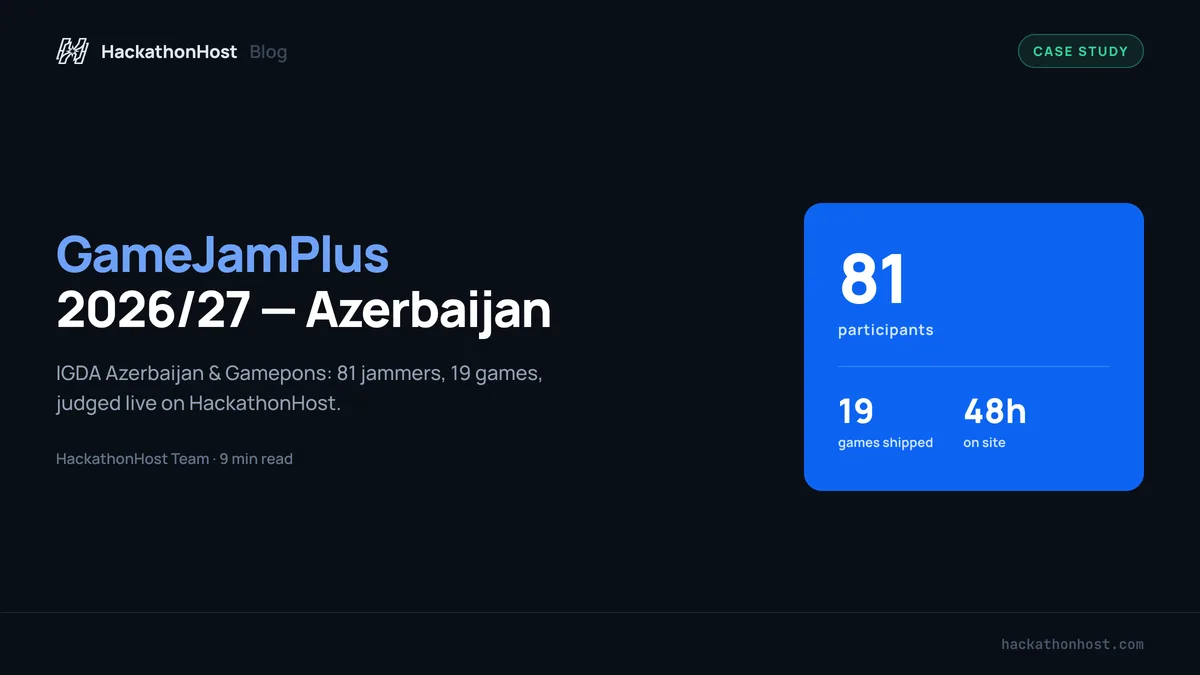
| Format | 48-hour on-site game jam, 16–18 October 2026 |
| Venue | INNOLAND Incubation and Acceleration Centre, Baku |
| Hosts | IGDA Azerbaijan and Gamepons |
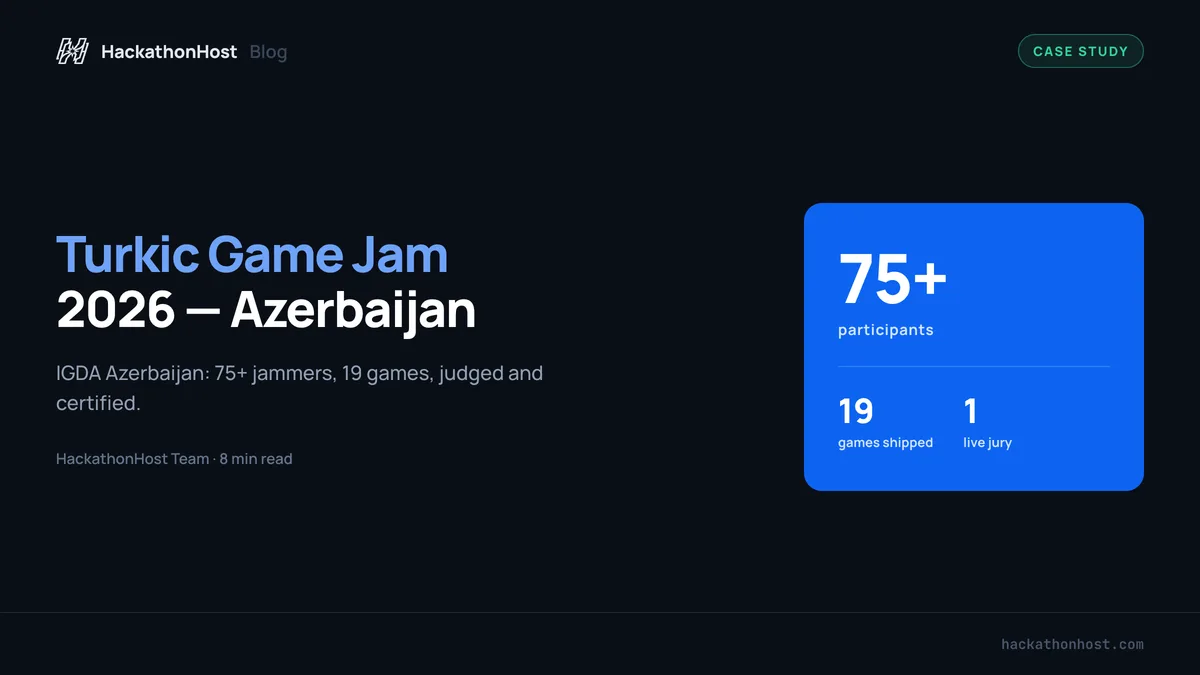
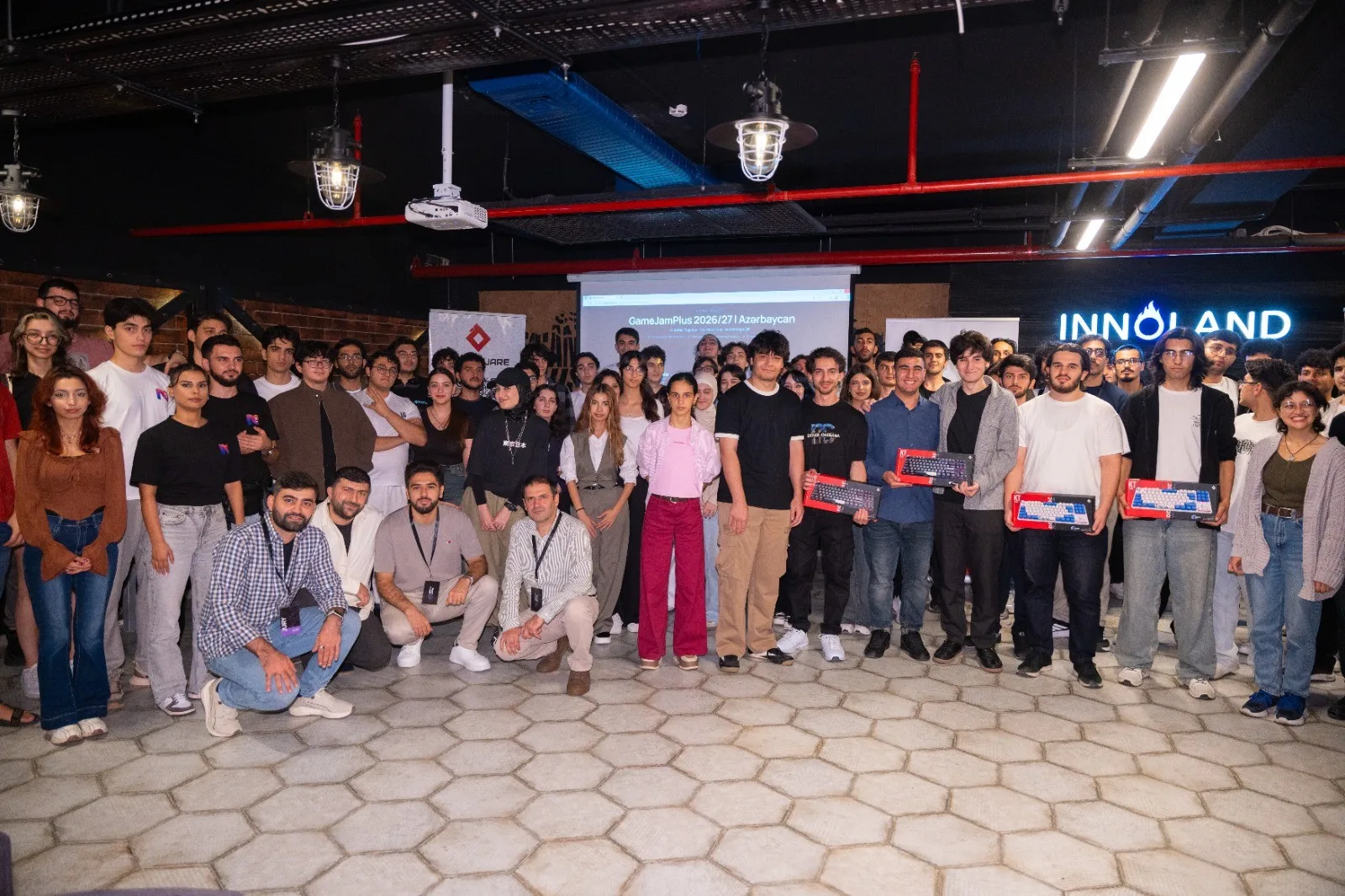
| Scale | 81 participants · 19 games · 8 mentors · 4 jury |
| Platform | HackathonHost |
| Showcase | hackathonhost.com/events/gamejamplus-2026-27-az-rbaycan |
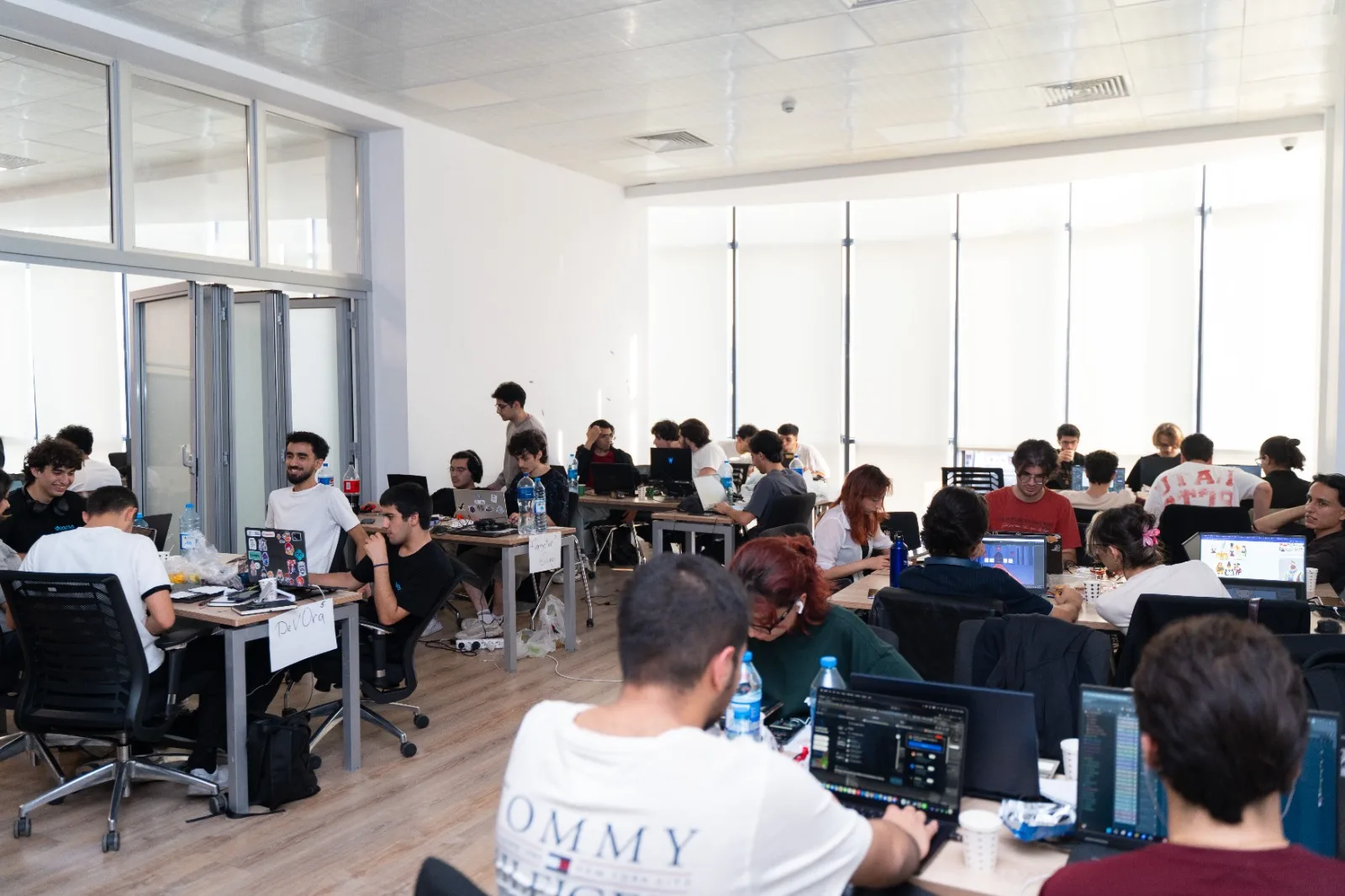
On 16–18 October 2026, the Azerbaijani chapter of the International Game Developers Association (IGDA Azerbaijan) and Gamepons, Baku's game-development hub and school, hosted the national round of GameJamPlus at the INNOLAND incubation and acceleration centre. GameJamPlus is an international programme: the 48-hour jam is only the first stage, and the strongest projects go on to incubation, continental semifinals, acceleration and a global final with teams from more than fifty countries.
That structure raises the stakes for the organizer. The jam is not a weekend of fun with a trophy at the end. It is a selection round, and the ranking has to hold up when the teams ask why they placed where they did.
This article walks through how the event was organized on HackathonHost, what the jury thought of the judging tools, and what we would tell anyone planning their first or fifth game jam.
The event in numbers
| Format | 48-hour on-site game jam |
| Registered teams | 23 (19 submitted and were scored, 4 did not submit) |
| Participants | 81 |
| Games submitted | 19 |
| Jury | 4 |
| Mentors | 8 |
| Judging criteria | 3 categories, 7 sub-criteria |
| Engines used | Unity (15), Unreal (3), Construct (1) |
| Winner | Keep Looking by Clockwork, 8.52 / 10 |
The top five finished within about one point of each other. That is the kind of result where the judging process matters more than the trophy.
Step 1: Registration on a public event page
Everything participants needed lived on one public page: the description in Azerbaijani, the five-stage programme, the venue, the partner and sponsor logos (INNOLAND, Red Square, Gamenote, PizzaMizza) and a contact address. Teams registered through that page, so the organizers never had to reconcile a Google Form against a spreadsheet against a Telegram group.
Each team got its own login. A team's dashboard showed the agenda, the rules and announcements, and later became the place they handed in their game.
What we would say to a first-time organizer: write the rules once, on the page, before registration opens. The GameJamPlus page carried fifteen rules. Nobody argued about build deadlines or team sizes on Sunday afternoon because the rules had been in front of every team since they registered.
Step 2: Agenda, announcements and mentors in one place
A 48-hour jam has a small number of moments that cannot slip: the theme reveal, the submission deadline, the pitch order. The agenda was published on the event page, and announcements went out to every team dashboard rather than into a chat where they scroll away.
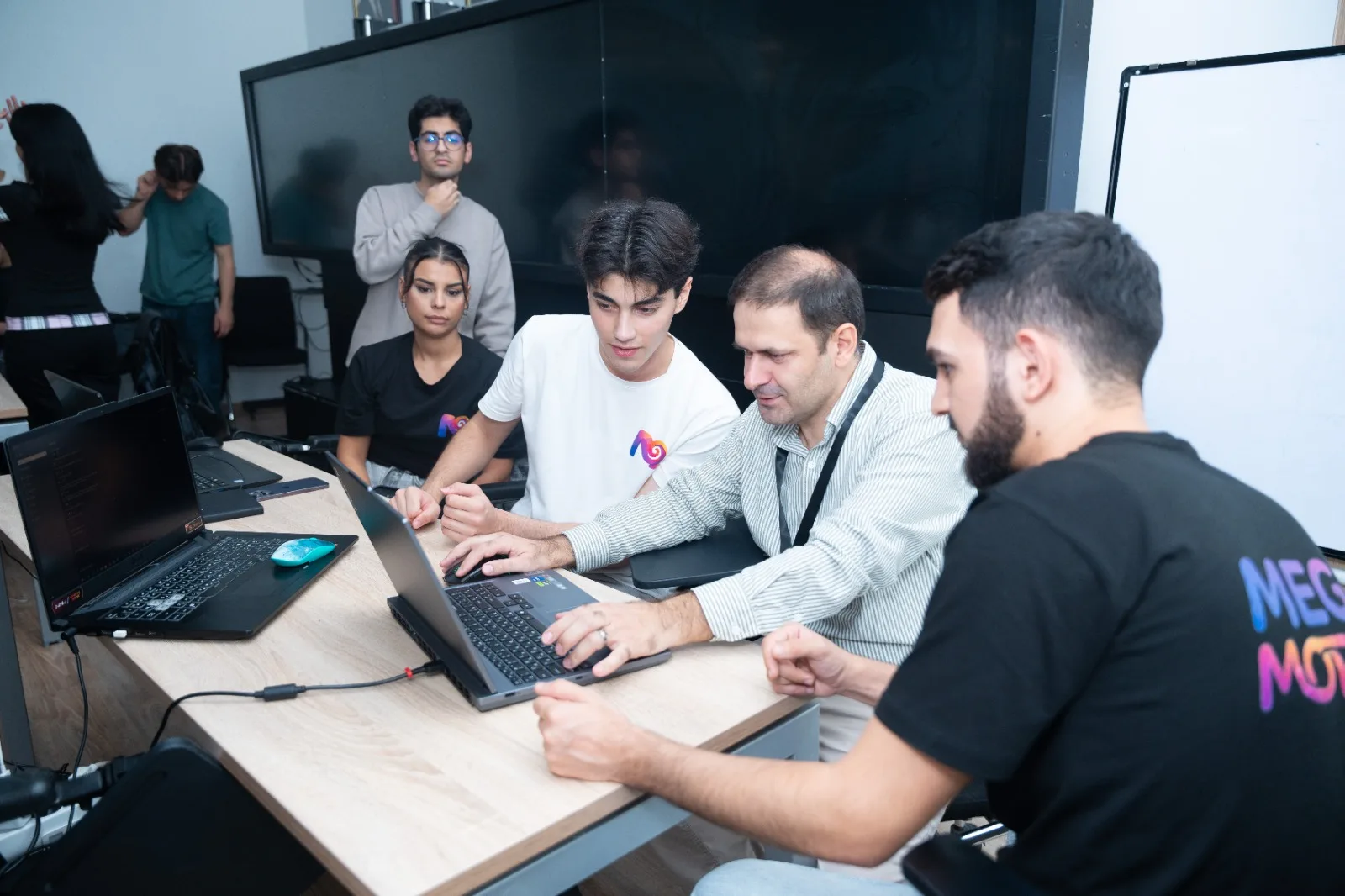
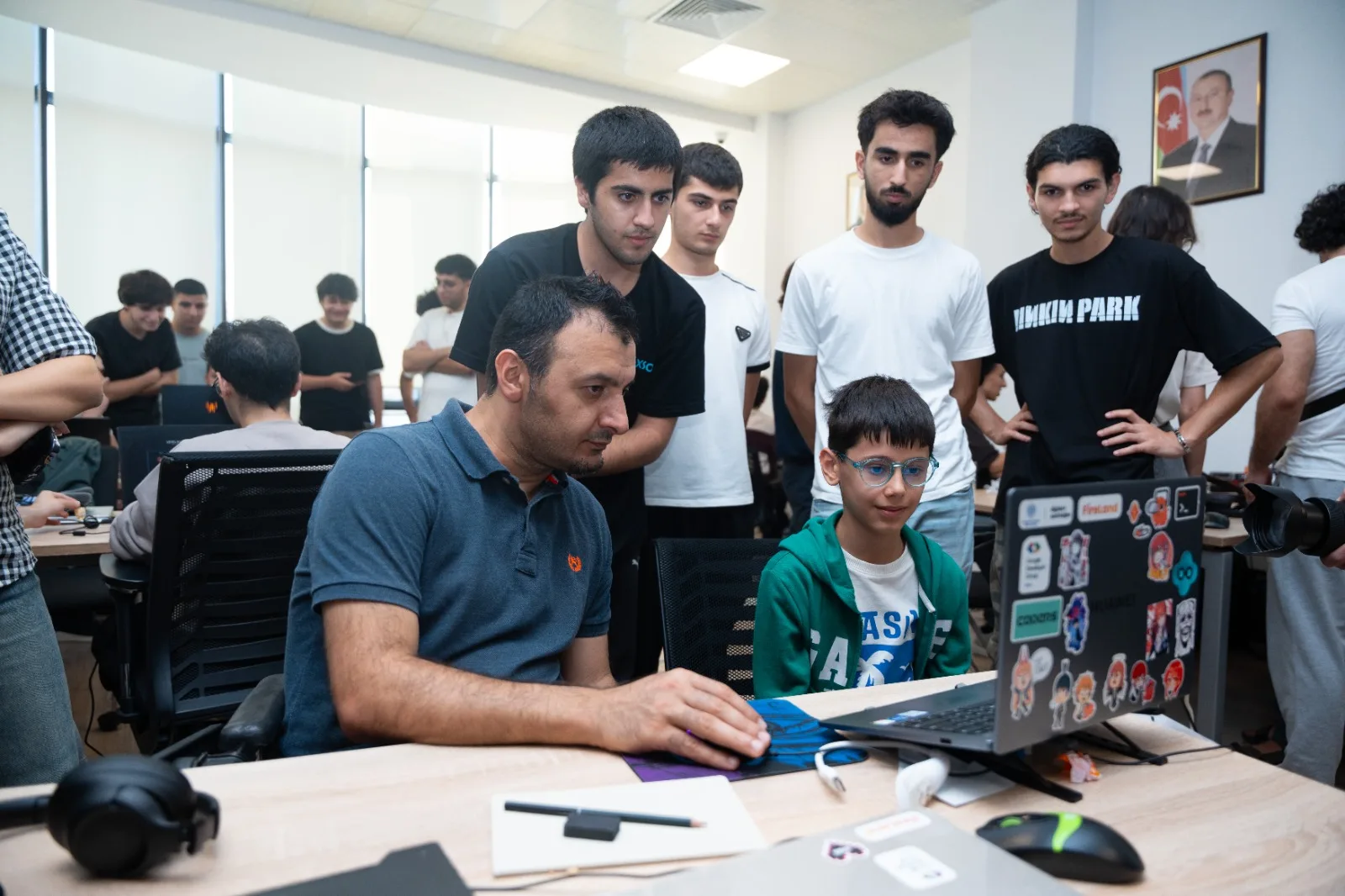
Eight mentors covered the disciplines that teams usually get stuck on at 3 a.m.: Unity, 2D and 3D art, game design. Their names and roles were listed with the jury on the event page, so teams knew who to look for.
Step 3: Submissions that double as the showcase
Teams submitted their own projects from their dashboard: game name, engine, platform, genre and an itch.io link. The same data became the public showcase on the event page, where all nineteen games are still listed with their studio names.
This matters more than it sounds. In many jams, the organizer spends the last hour before pitches copying links out of a chat into a slide deck. Here the deck did not exist. The submission was the showcase, and the pitch screen read from it directly.
Four registered teams never submitted. They were marked as not submitting and dropped out of the ranking automatically. They did not count against the participant total on the public page, and the jury never saw an empty row.
Step 4: Pitch day on a live projector
On Sunday the presentations ran from the HackathonHost projector view. The organizer selects the team that is on stage, and three things happen at once:
- the projector shows that team's name and project;
- every jury member's dashboard highlights the same team as Currently Presenting, with its scoring form one tap away;
- the pitch timer runs on the screen so nobody has to watch a phone.
Rustam Rzayev, co-founder of Plega Studio, sat on the jury:
"The presentation highlight was the best thing. The moment a team walked up, their card was already open on my screen, so I was watching the pitch instead of searching for the right form. And the Score Comparison view, where you see all your scores ranked side by side before you submit, was the most effective judging feature I have used. You catch your own inconsistencies before they become the result."
Step 5: Judging by weighted criteria, with feedback per criterion
The rubric had three categories with weights that add up to the final score:
| Category | Weight | Sub-criteria |
|---|---|---|
| Game Quality | 50% | Gameplay mechanics (40%), art and aesthetics (30%), scope management (30%) |
| Creativity and Theme Adherence | 30% | Originality (50%), theme integration (50%) |
| Presentation and Pitch | 20% | Pitch quality (50%), team dynamics (50%) |
Each jury member scored every team on every sub-criterion and could leave a comment next to each one. The platform did the weighting, averaged the four jurors and produced the ranking. Nobody opened a spreadsheet.
Azad Baghirzada, Rustam's co-founder at Plega Studio and also on the jury:
"Giving feedback per criterion was very comfortable. I was not writing one paragraph about a game and hoping the team reads the right part of it. I wrote two lines under gameplay, two lines under scope, and the team gets exactly the note that goes with the score."
Why does per-criterion feedback matter at a selection round? Because the top five finished within about a point of each other. Keep Looking won with 8.52, Catmarine was second with 8.19, and CraneMates third with 7.77. When margins are that thin, "the jury liked it more" is not an answer a team can act on. "Your scope management scored lower, and here is why" is.
If you are building your own rubric, the game jam judging criteria guide walks through the same 50/30/20 structure in detail.
Step 6: Results, revealed once
Scores stayed hidden from teams until the host revealed them. The reveal went out to every team dashboard at the same time, with the full ranking and each team's own row highlighted. The public event page now carries the same ranking, which is what GameJamPlus needs for the next stage.
What we would do differently
Honesty is part of a useful case study, so two things:
Tickets and check-in were not used. HackathonHost can issue tickets and scan them at the door, and for an 81-person on-site event that would have saved the morning queue. Registration went through the platform, but attendance on the day was handled by hand. Next time the door should be on the same system as everything else.
Four of 23 registered teams did not submit. That is a normal drop-out rate for a 48-hour jam, but it is worth planning for. A reminder announcement six hours before the deadline, and a mentor check-in with any team that has not opened its submission form by then, would probably have saved one or two.
Checklist: how to organize a game jam
If you are planning one, this is the shortest version of what worked:
- Publish one page with the description, programme, rules, venue, sponsors and a contact address. Register teams through it.
- Write the rubric before the jam, with weights, and show it to participants. Teams build differently when they know "scope management" is 15% of their score.
- Give every team a login. Agenda, announcements and the submission form live there, not in a chat.
- Let teams submit their own projects, and let the submission feed the showcase and the pitch screen.
- Run pitches from a projector view that also tells the jury who is on stage.
- Score per criterion, with a comment per criterion. Average the jury in software, not in a spreadsheet.
- Hide scores until the reveal, then reveal to everyone at once.
- Use tickets and check-in if the event is on-site. We skipped it and regretted it.
For the longer version, start with how to run a game jam.
About the organizers
IGDA Azerbaijan is the official Azerbaijan chapter of the International Game Developers Association. Gamepons is Azerbaijan's game-development hub and educational centre. Together they host the GameJamPlus national round. INNOLAND is an incubation and acceleration centre supporting startups and innovation in Azerbaijan and partnered on the venue.
The full event page, with every submitted game and the final ranking, is at hackathonhost.com/events/gamejamplus-2026-27-az-rbaycan.
FAQ
How long does a game jam take to organize? GameJamPlus Azerbaijan was set up on HackathonHost about a month before the event: the page and registration opened in mid-September for a 16 October start. The jury and mentor roster was finalized in the last two days before the jam.
How many judges does a game jam need? Four worked well for 19 teams. Each juror scored every game across pitch day. With more than 25 teams, consider splitting the jury into panels or scoring in rounds.
What judging criteria should a game jam use? A weighted rubric with three to four categories. GameJamPlus used Game Quality (50%), Creativity and Theme Adherence (30%) and Presentation and Pitch (20%), each with two or three sub-criteria. Weights should add up to 100% and be published before the jam.
Can a game jam be judged without spreadsheets? Yes. On HackathonHost each juror scores per criterion in their own dashboard, the platform applies the weights and averages the panel, and the host reveals the ranking once. No spreadsheet was used at GameJamPlus Azerbaijan.
Do teams see each other's scores? Only after the host reveals results, and only the ranking and their own row by default. Per-criterion comments go to the team they were written for.